
DESIGNING A GARDEN OF PEACE
Guidelines, possibilities and limits for responsible use
The 21-variety model
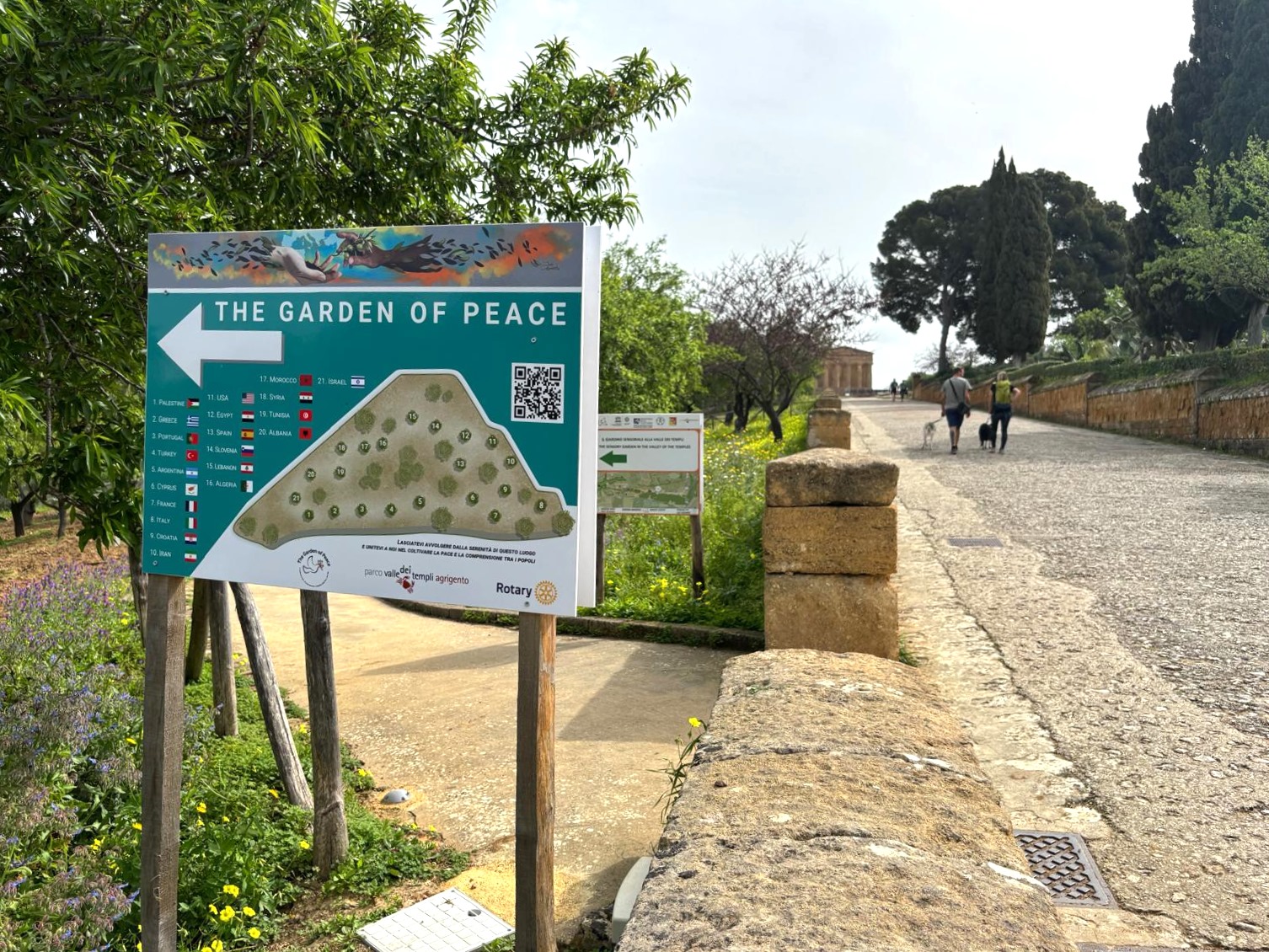
In its current form, the Garden of Peace is structured around the “Territories of Peace and Sustainability” project, based on 21 olive varieties. Each variety is linked to an emblematic territory, not to represent a State, but an ecosystem: mountains, deserts, coasts, plains, islands, rural and urban landscapes.
The State is indicated only as a technical reference, to identify the country where the variety is considered autochthonous. Alongside this, each tree indicates its continent and areas of diffusion, allowing the garden to offer a physical map of how olive cultivation adapts to different conditions without losing identity.
Scientific origin and plant safety
The plants used come from the main World Olive Germplasm Banks (WOGB). Selection is carried out in dialogue with researchers and technicians to ensure correct varietal identity, agronomic quality and coherence with the territories the garden aims to represent.
Each tree enters the garden with a phytosanitary certificate guaranteeing its health. Essential signage and a QR code link to the official variety sheet on The Garden of Peace website, indicating the variety, country of reference, continent and areas of diffusion. The garden thus becomes a reliable tool for schools, researchers and cultural operators.

Spaces of encounter and beauty
A Garden of Peace is not only a botanical collection: it is a space of beauty and relationship. It can host workshops, educational paths, artistic events and community moments, provided they are consistent with the spirit of the project and respect the 21 varieties as the symbolic heart of the place.
Nature, art and education intertwine to create a living environment where peace can be perceived in the landscape, in the shade of the trees and in the quality of the relationships built there. The garden becomes an open-air stage where new forms of coexistence can be explored.
Ethics, limits and responsible use
To preserve its integrity, the use of the garden is regulated by a formal agreement with The Garden of Peace association. The garden may not be used for political or religious events, nor for activities that conflict with TGoP values, human rights or environmental protection.
Unauthorized modifications to plants, layout or official signage are not permitted. Any additional installations or activities must support the project rather than overlap with it. Failure to respect these principles may result in the withdrawal of official recognition and exclusion from the international Garden of Peace network.
The role of local communities
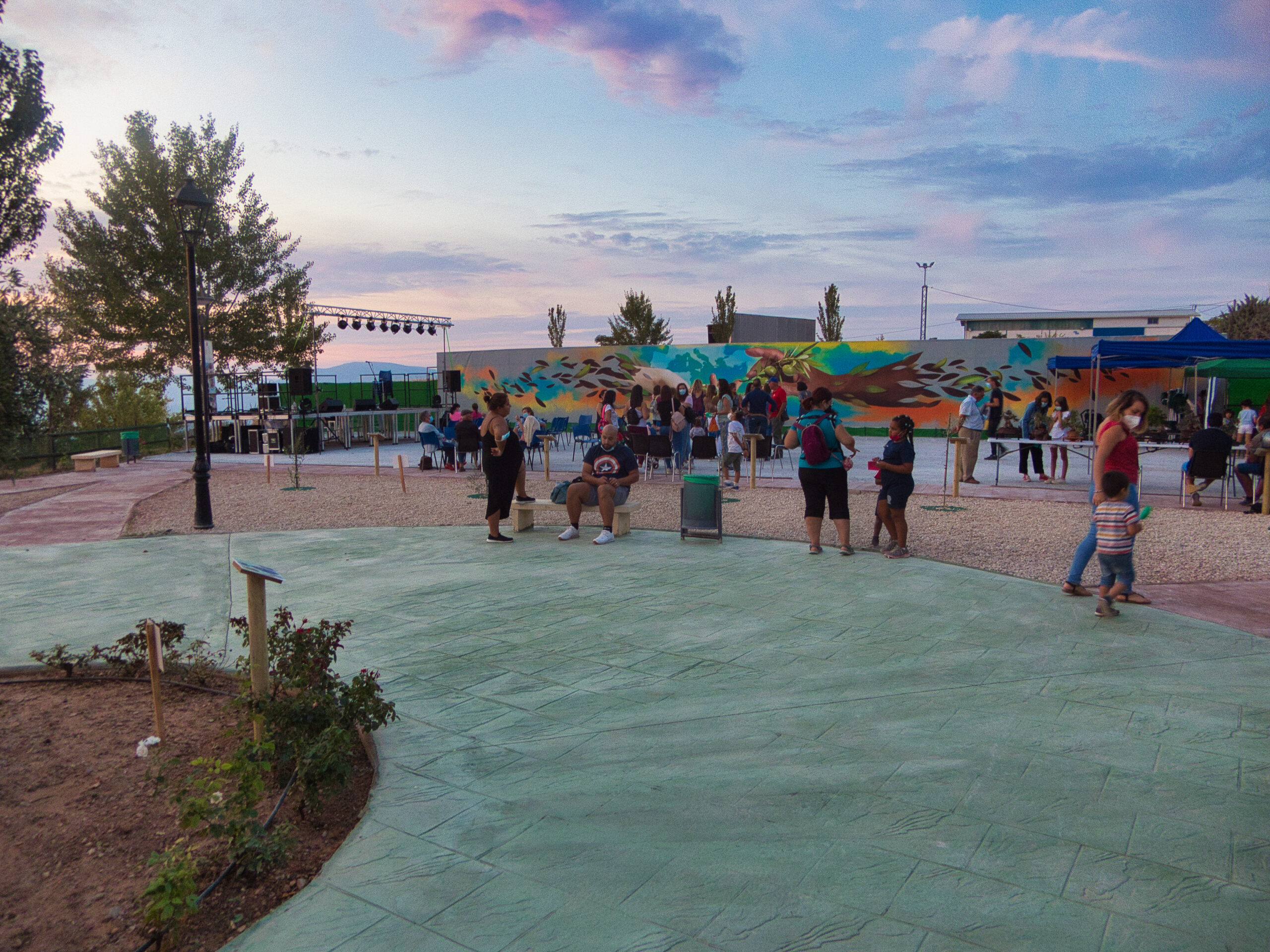
Local communities are the true custodians of the Garden of Peace. The association pays special attention to small territories, often rich in traditions and landscapes that risk being marginalised by global dynamics.
It therefore encourages the creation of multifunctional spaces where cultural activities, concerts, fairs and workshops can take place, always in compliance with the project guidelines. The garden thus becomes a shared asset for administrations, schools, associations and citizens.
Memory, future and younger generations
During the creation of a garden, intergenerational collaboration is essential: young people plant the future, while elders safeguard the memory of the olive tree and the territory. The 21 varieties allow many stories to be told, linked to climates, landscapes and human experiences across continents.
In the Territories of Peace and Sustainability, the focus is not on political borders but on natural and cultural landscapes. Mountains, deserts, coasts and plains become part of a global narrative in which peace takes root in the land and grows with the people who care for it, starting with the younger generations.
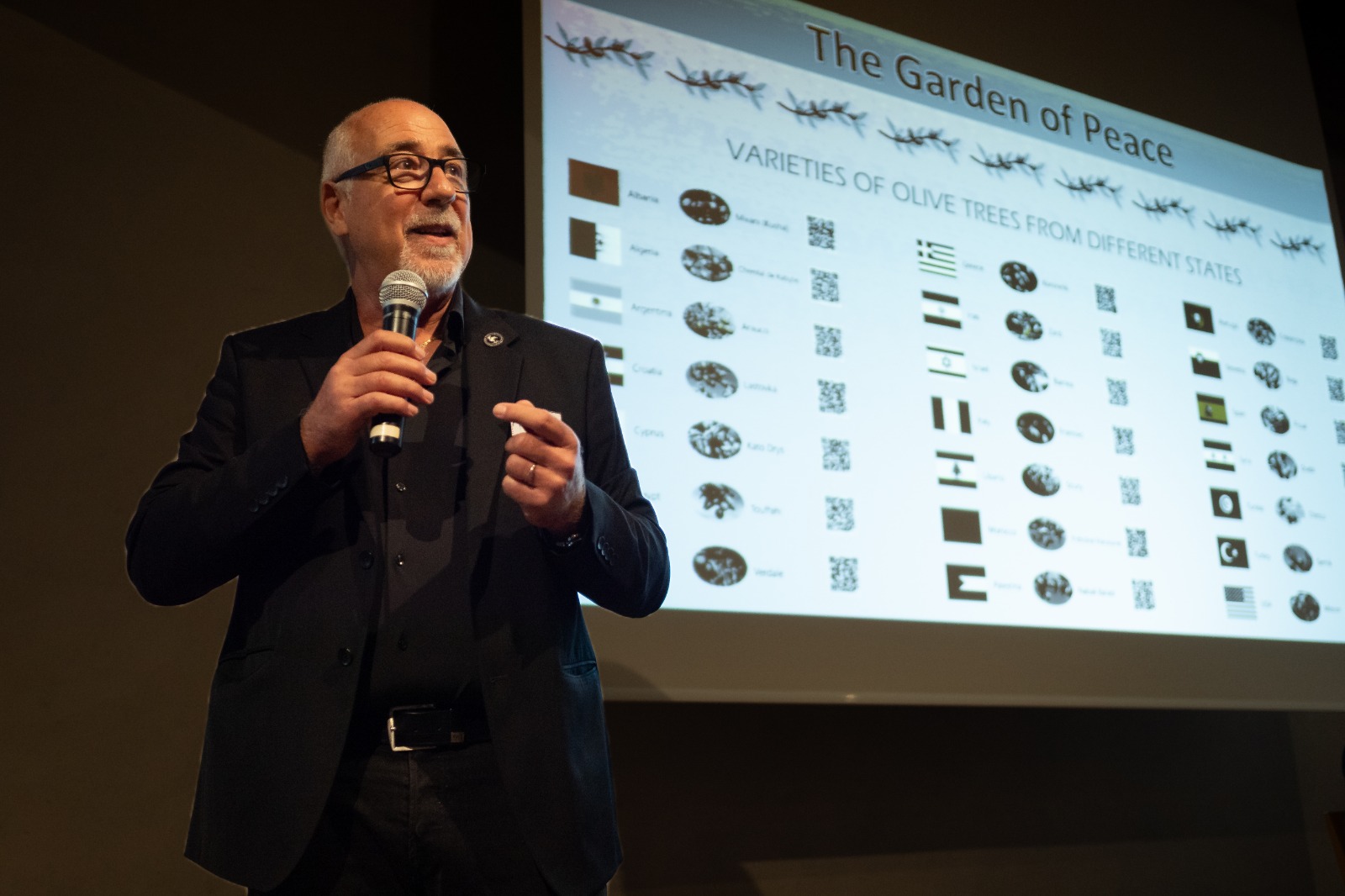
The 21-variety model turns every Garden of Peace into a living laboratory of ecosystems, communities and shared futures.
Contact us to design a Garden of Peace