Cornwall, UK

THE GARDEN OF PEACE AT TREMENHEERE – CORNWALL
In the heart of Cornwall, set amidst the extraordinary beauty of the Tremenheere Sculpture Gardens, the Garden of Peace has found a home in a place where nature and art have long been in dialogue, inviting us to reflect upon our relationship with the world around us. Here, in a landscape shaped by time and human imagination, the olive tree, an ancient symbol of peace and reconciliation, carries a message that transcends geographical, cultural and religious boundaries.
The inauguration of the Garden of Peace, graced by the presence of Her Royal Highness The Duchess of Gloucester as Guest of Honour, marked an occasion of particular significance, bringing together Tremenheere’s artistic and horticultural heritage with the universal ideals championed by The Garden of Peace.
In this Atlantic landscape, far from the shores of the Mediterranean where the olive tree has its historical roots, the Garden takes on an even deeper meaning. It reminds us that peace, like nature itself, knows no borders, and that our differences, rather than dividing us, can become our greatest strength.
Every tree tells a story, every place of origin holds its own identity, yet all share the same earth, the same light and the same hope. This is the quiet lesson of the Garden of Peace at Tremenheere: we need not be the same to grow together.
Twenty-One Olive Trees, One Message of Peace

At the inauguration of the first Garden of Peace in the United Kingdom, at Tremenheere, in the presence of Her Royal Highness The Duchess of Gloucester, Laura Formentini, Ambassador of The Garden of Peace, delivered a speech reflecting on the deeper meaning of the project.
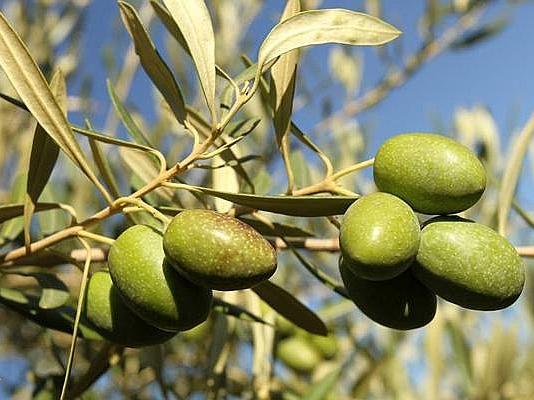
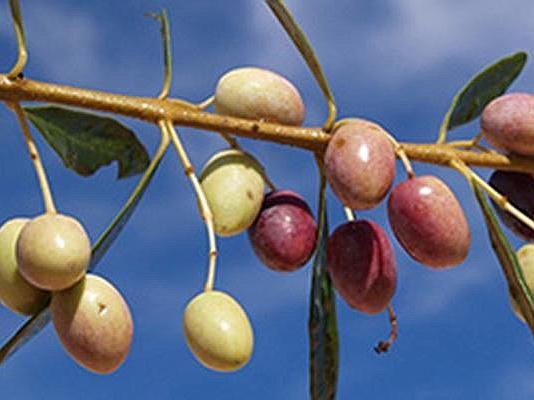
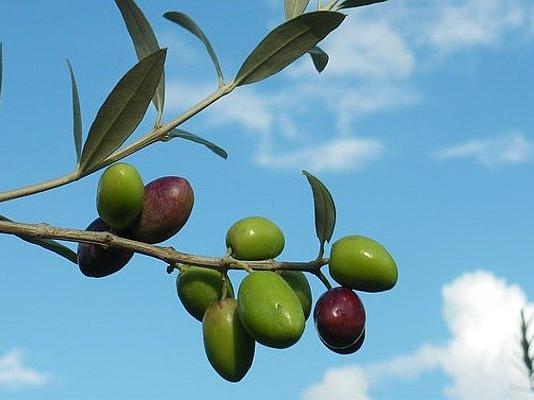
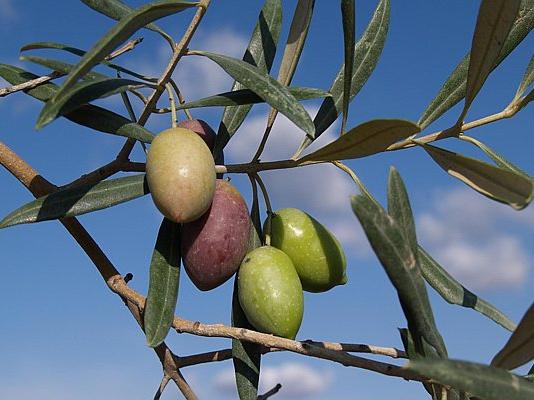
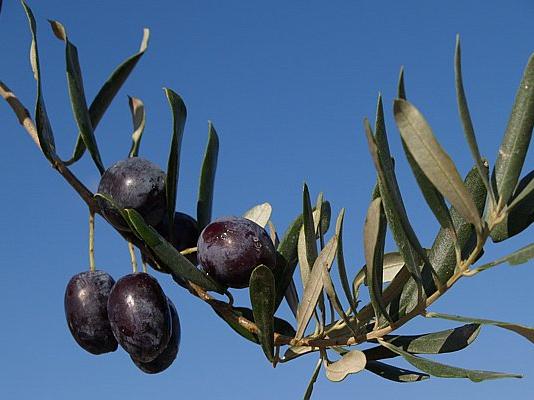
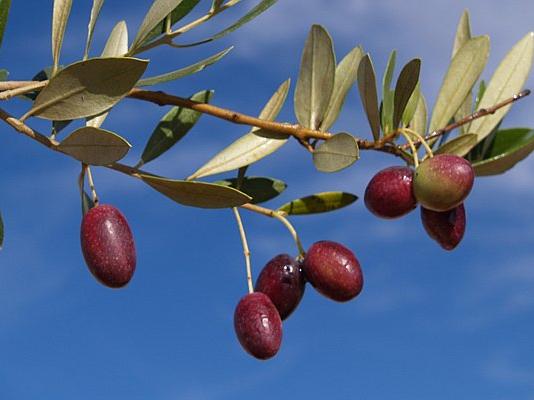
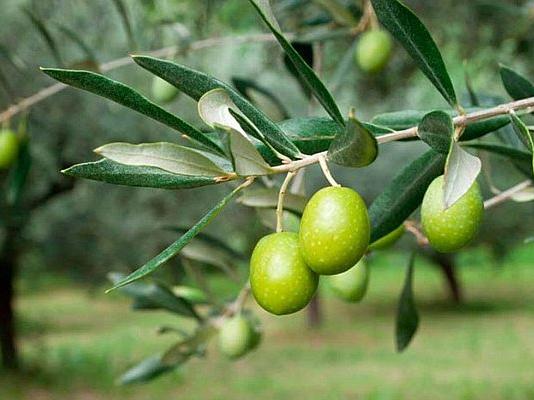
Twenty-one olive cultivars, each with its own origin, history and genetic heritage, can grow together, sharing the same soil without losing their individual identities. A powerful metaphor for peace, which is not built on uniformity, but on respect for differences.
A message addressed above all to future generations: peace, like a tree, needs roots, time and care to continue growing.
PHOTO GALLERY


A Message of Peace for Future Generations
Inaugural Address by Laura Formentini
Ambassador of The Garden of Peace
Tremenheere, Cornwall — United Kingdom
Your Royal Highness,
Distinguished Guests,
Ladies and Gentlemen,
Dear Friends,
It is a great honour for me to be here today at Tremenheere, representing The Garden of Peace and its Founder and President, Francesco Serafini.
Francesco had very much hoped to be here today, and he asked me to bring you his warmest personal greetings. Unfortunately, a prior and unavoidable international institutional commitment has prevented him from joining us.
He did, however, ask me to convey one very simple message:
Even if he could not be here today, The Garden of Peace had to be here.
And it is with great emotion and a profound sense of responsibility that I have the honour of representing our Association on this very special occasion.
I would first like to express our sincere gratitude to Her Royal Highness The Duchess of Gloucester for honouring this inauguration with her presence.
Ma’am, your presence here today gives this occasion a very special significance, and it is a great honour for all of us.
I would also like to thank Neil and everyone at Tremenheere who believed in this project and worked with such commitment to make it possible.
Because what we are inaugurating today is not simply a garden.
We are planting an idea.
Twenty-one olive trees.
Twenty-one varieties.
Twenty-one different origins.
Each carries its own identity, its own history and its own genetic heritage.
They are different from one another.
And yet they can grow together.
They can share the same soil, the same water and the same light.
None has to surrender its identity in order for the others to exist.
And perhaps this is one of the simplest and most powerful images of what peace can mean.
Peace does not mean that we must all become the same.
Peace means learning to live together while respecting our differences.
For thousands of years, the olive tree has accompanied human history through civilisations, religions, conflicts, migrations and generations.
It has endured because of its extraordinary capacity to resist, regenerate and begin again.
Across many cultures, it has become a symbol of peace, hope and reconciliation.
But there is another quality of the olive tree that is particularly meaningful today.
A tree cannot simply be planted, inaugurated and then forgotten.
It needs water.
It needs time.
It needs attention.
And the same is true of peace.
Peace must be cultivated.
Day after day.
Between individuals.
Between communities.
Between cultures.
And between generations.
This is why places such as this matter.
Today, the Garden of Peace at Tremenheere becomes part of a growing international network of Gardens of Peace around the world.
But this Garden holds a particularly important place in that story.
It is the first Garden of Peace in the United Kingdom.
And it is difficult to imagine a more fitting home.
Tremenheere is already a place where nature, art and contemplation are in constant dialogue.
From today, another voice becomes part of that dialogue:
the voice of peace.
Every Garden of Peace begins with the same idea, but each one also belongs to the land that receives it, to its culture, to the people who care for it and to the generations who will one day walk through it.
From today, therefore, this is no longer only our Garden.
It is Tremenheere’s Garden.
It is Cornwall’s Garden.
And it belongs to all those who will come here, walk among these trees and perhaps stop for a moment to reflect on the meaning of the word “peace”.
We are living at a time when that word has once again acquired a painfully immediate meaning.
We see war.
We see division.
We see intolerance.
Against such a background, planting twenty-one trees may seem like a small gesture.
Perhaps it is.
But human history is also made of small gestures.
And a tree planted today can live far longer than any of us.
These trees may still be standing when many of the arguments that divide us today have long been forgotten.
They may be seen by children who have not yet been born.
And there is something profoundly hopeful in that.
We are not planting these trees only for ourselves.
We are planting them for people we may never meet.
The Garden of Peace does not wish to create monuments to peace.
It wishes to create living places of peace.
Places that grow.
Places that change with the seasons.
Places that must be protected and cared for.
Places where someone may stop, even for just a moment, and remember that however different we may be, we all share the same earth.
And so I would like to conclude with one simple thought.
Many years from now, someone will walk through this Garden.
They may not know our names.
They may not know who attended this inauguration.
But they will see these twenty-one olive trees.
They will see that they have grown together.
And perhaps they will understand the message without needing any explanation:
That being different does not prevent us from sharing the same ground.
That peace, like a tree, needs roots.
That it needs care.
And that what we plant today may become hope for those who come after us.
On behalf of Francesco Serafini and everyone at The Garden of Peace, thank you, Your Royal Highness, for being here with us today.
Thank you, Neil.
Thank you, Tremenheere.
And thank you all for sharing this moment with us.
May these twenty-one trees grow together here for many, many years.
And may the message we entrust to the earth today grow with them:
a message of peace.
Thank you.