
02 May A millennial journey across civilizations and cultures
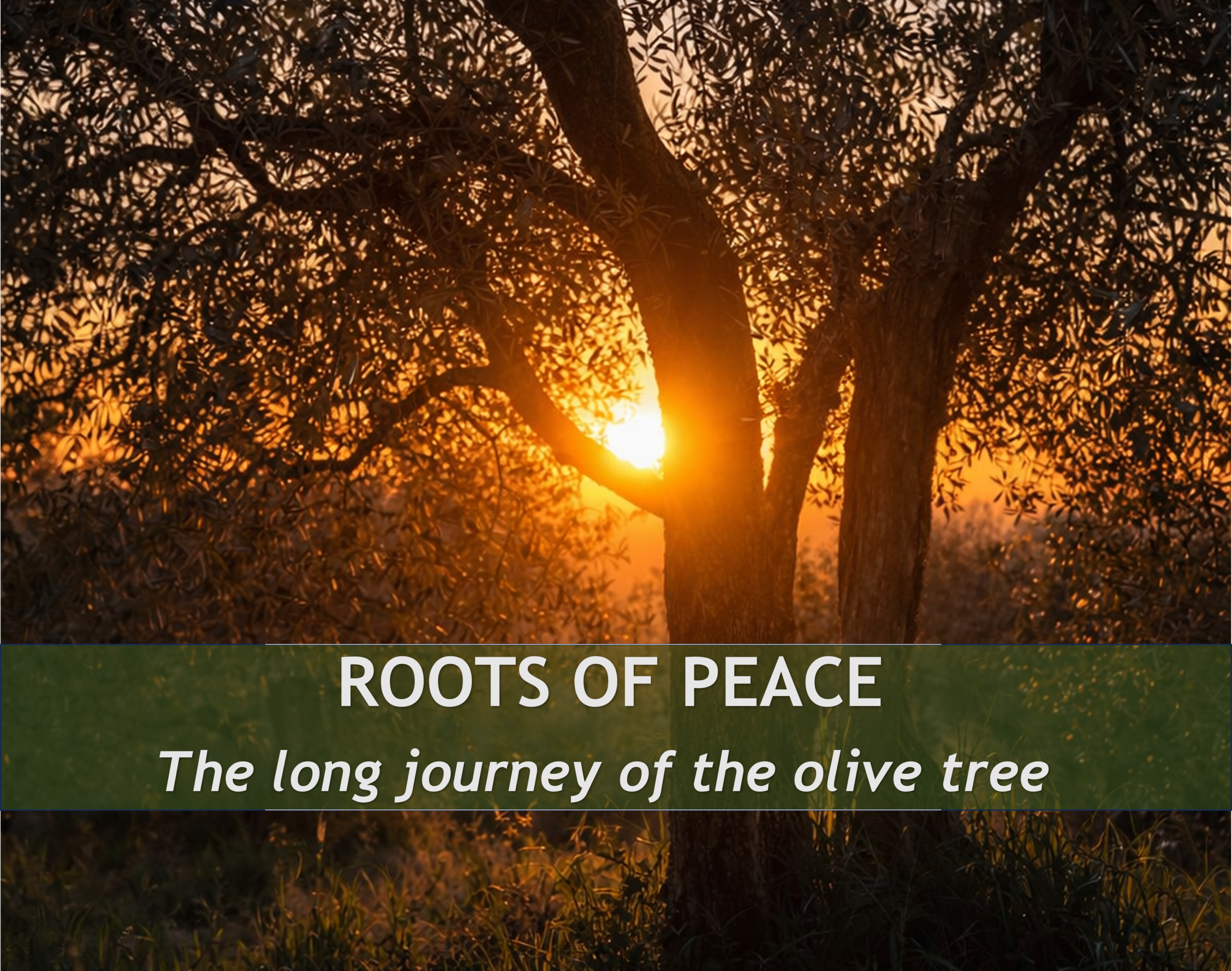
The editorial series Radici di Pace explores the cultural history of the olive tree, a plant that has accompanied Mediterranean civilizations for thousands of years and later reached many other parts of the world. Through historical paths, agricultural knowledge and cultural exchanges, The Garden of Peace observes how the olive tree became a living link between landscapes, peoples and traditions.
The origins of the olive tree
The history of the olive tree begins in the eastern Mediterranean, where the wild olive was known long before the development of large agricultural civilizations. Over time, communities learned to recognize the value of this plant and gradually transformed a spontaneous presence into a cultivated resource.
The domestication of the olive tree was not a single event but a long process made of observation, selection and adaptation. Farmers identified plants that produced more useful fruit, learned how to propagate them, and progressively improved cultivation methods. In this way, the olive tree entered agricultural systems that were becoming increasingly stable and organized.
Its importance grew because it could offer much more than fruit alone. From olives and oil came nourishment, light, preservation and trade value. For this reason, the olive tree became deeply connected to settled life, to the formation of rural landscapes and to the long relationship between human communities and the land.
The olive tree among peoples and trade
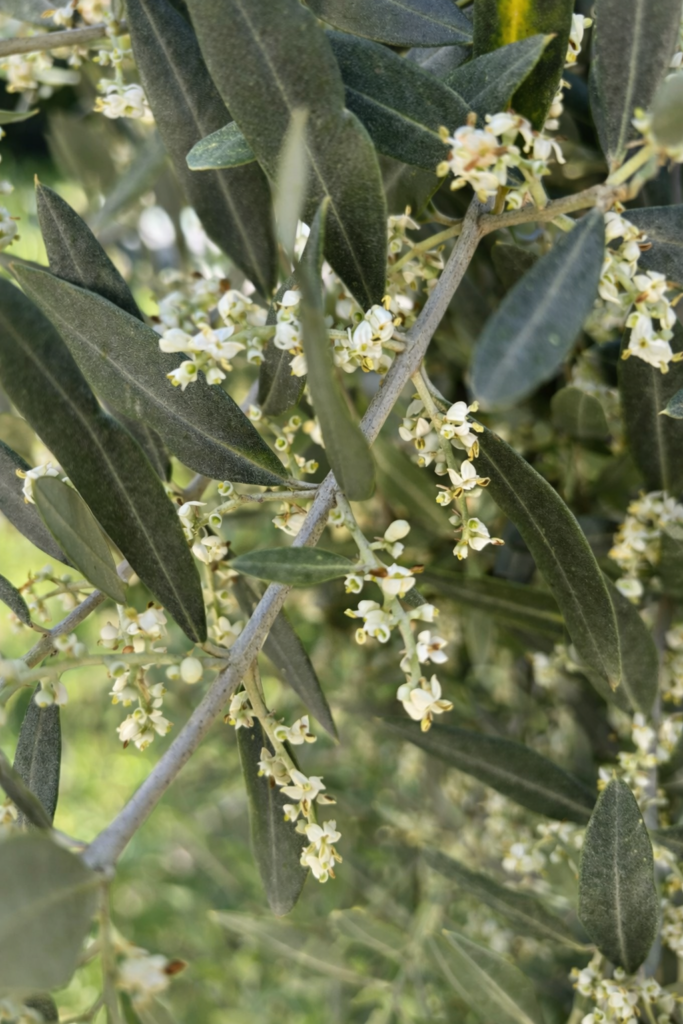
As maritime routes and overland connections expanded, the olive tree moved with them. Merchants, settlers and farming communities carried plants, techniques and knowledge from one region to another. The olive was therefore not only a crop but also part of a wider process of cultural and economic exchange.
Across the Mediterranean, different peoples cultivated the olive tree according to local conditions. Greek, Phoenician, Roman and later Arab agricultural worlds all contributed to the spread of olive growing. Each region added something of its own: methods of cultivation, systems of irrigation, storage practices, forms of trade and culinary uses.
This circulation created a shared agricultural culture, but not a uniform one. The olive tree became common across many territories while remaining locally rooted. It is precisely this balance between diffusion and territorial identity that makes the olive tree such a powerful historical subject. It connects different cultures without erasing their differences.
A global diffusion
The journey of the olive tree did not stop at the historical borders of the Mediterranean. In later centuries, olive cultivation reached other continents through migration, colonization and agricultural experimentation. New landscapes received an ancient plant and adapted it to different climates and economic systems.
Even when it moved far from its original center, the olive tree continued to carry with it a long memory. Its presence in new territories often reflected an attempt to reproduce not only an agricultural practice but also a cultural relationship with land, food and continuity. In this sense, the olive tree became both a crop and a bearer of historical memory.
Today the olive tree is cultivated in many regions of the world, but its meaning remains linked to the history of exchange, resilience and adaptation. Through the story of its diffusion, Radici di Pace shows how a plant can become a witness to the movement of peoples and the transmission of knowledge across centuries.
Conclusion
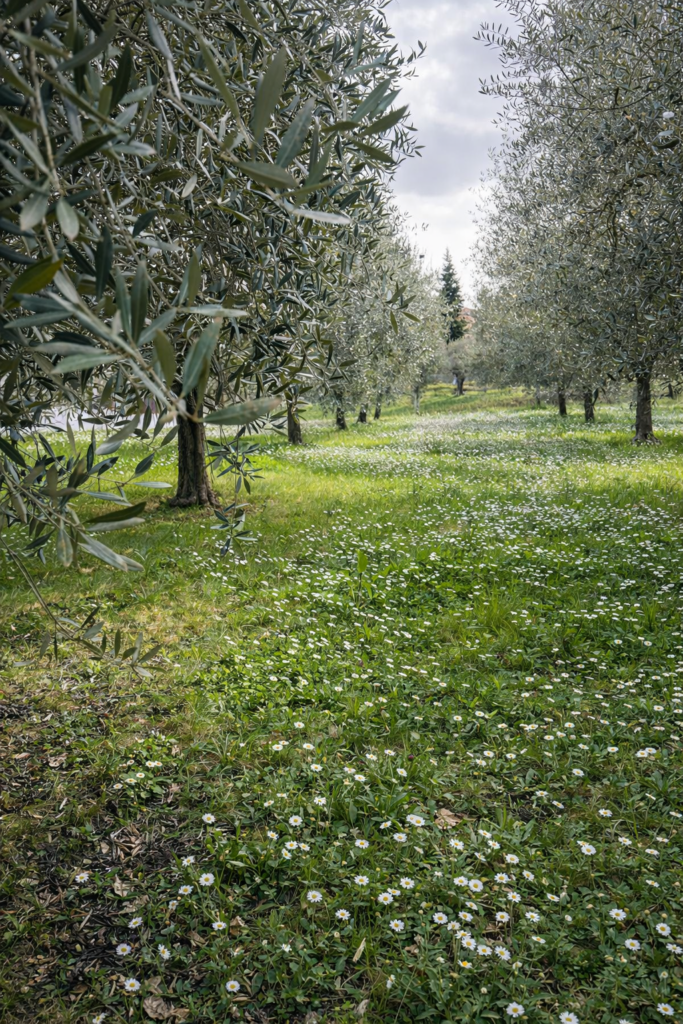
The long journey of the olive tree shows that agriculture is never only technical. It is also movement, exchange and cultural continuity. Through this history, The Garden of Peace highlights how the olive tree still speaks of connection between territories, traditions and human communities.
Next month
After exploring the long journey of the olive tree, in the next edition of Radici di Pace, in the month of June, we will focus on the olive tree in art.