
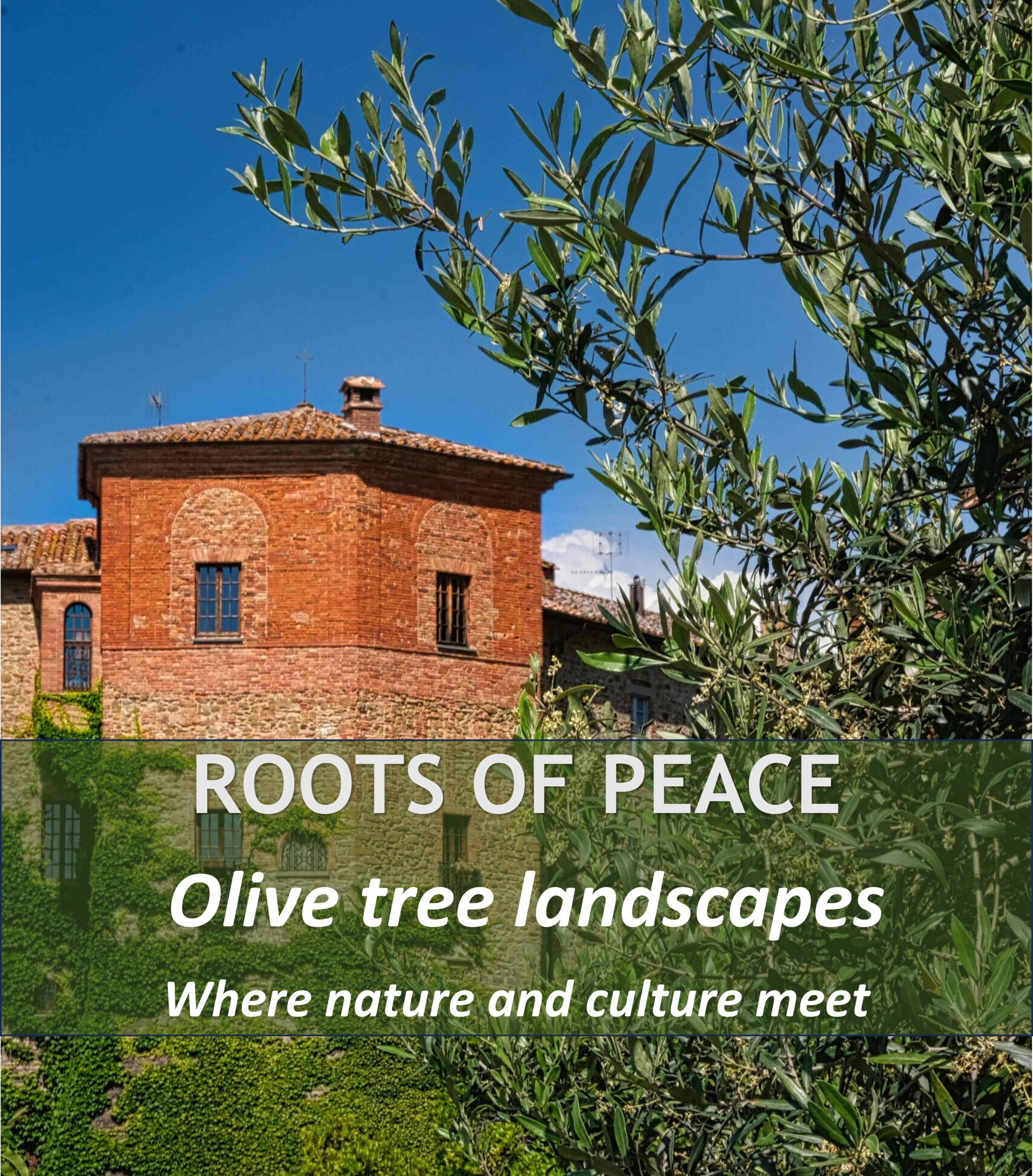
03 Jul The olive tree, living memory of the land
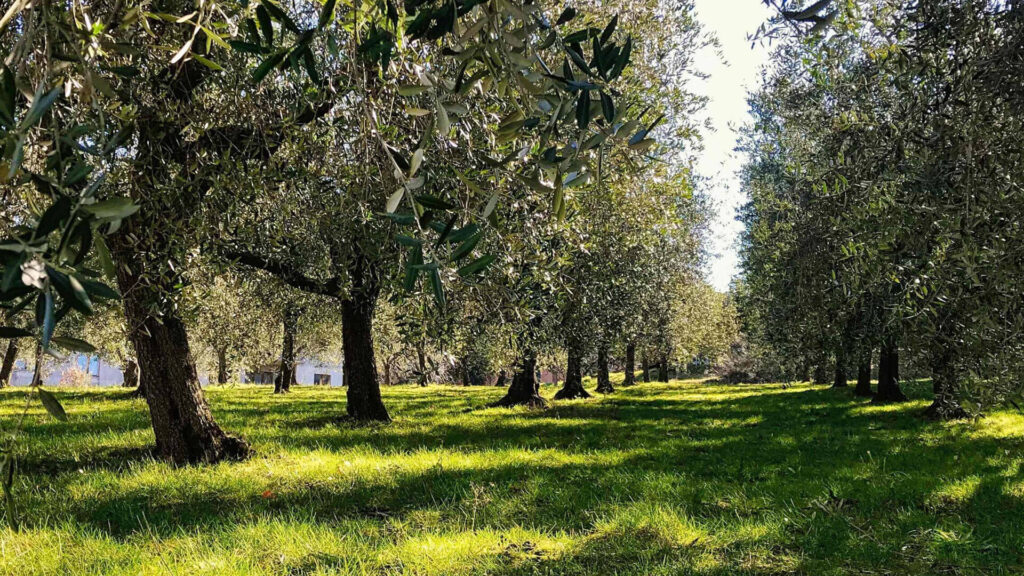
When we look at an olive grove, we often think about the trees, the fruit, or the oil produced from them. Less frequently do we pause to consider another equally important aspect: the landscape itself.
Over the centuries, the olive tree has not merely accompanied the lives of Mediterranean communities. It has actively contributed to shaping the land, influencing how people organized their work, built settlements, created terraces, and transformed hillsides and valleys.
Olive landscapes are not simply agricultural settings. They are the result of a long collaboration between nature and culture, between the environment and human presence.
Landscapes Shaped by People and Olive Trees
In many Mediterranean regions, cultivating olive trees has always required patience, knowledge, and perseverance.
Steep slopes were transformed into terraces supported by dry-stone walls. Difficult terrain became productive thanks to the ingenuity of generations of farmers. Rural paths, water management systems, and agricultural buildings emerged to support olive cultivation and community life.
These elements represent much more than agricultural infrastructure. They are tangible evidence of a profound relationship between people and the land.
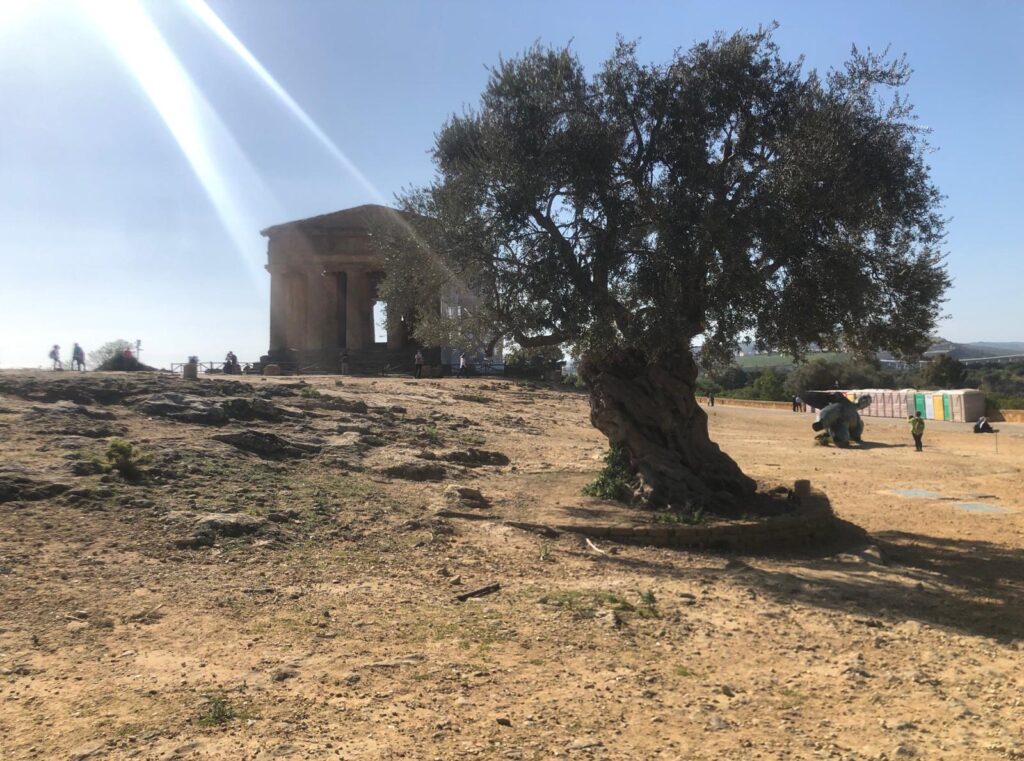
Today, when observing olive landscapes in Spain, Italy, Greece, Morocco, or Tunisia, we can still read the traces of centuries of labor, adaptation, and coexistence with nature.
With its extraordinary ability to survive for centuries and thrive in challenging environments, the olive tree has become one of the defining elements of the Mediterranean landscape.
A Living Cultural Heritage
Olive landscapes tell a story that extends far beyond agriculture.
They preserve traditions, technical knowledge, social practices, and ways of life that have developed over generations.
Harvesting olives, caring for trees, building dry-stone walls, and producing olive oil have contributed to creating local identities and communities deeply connected to their territories.
For this reason, many olive-growing landscapes are now considered part of the cultural heritage of the peoples who inhabit them.
Protecting these landscapes does not simply mean preserving trees or agricultural land. It means safeguarding a collective memory and a way of life that has successfully combined production, environmental stewardship, and the transmission of knowledge.
In an increasingly uniform world, olive landscapes continue to remind us of the value of cultural diversity and the importance of remaining connected to our roots.
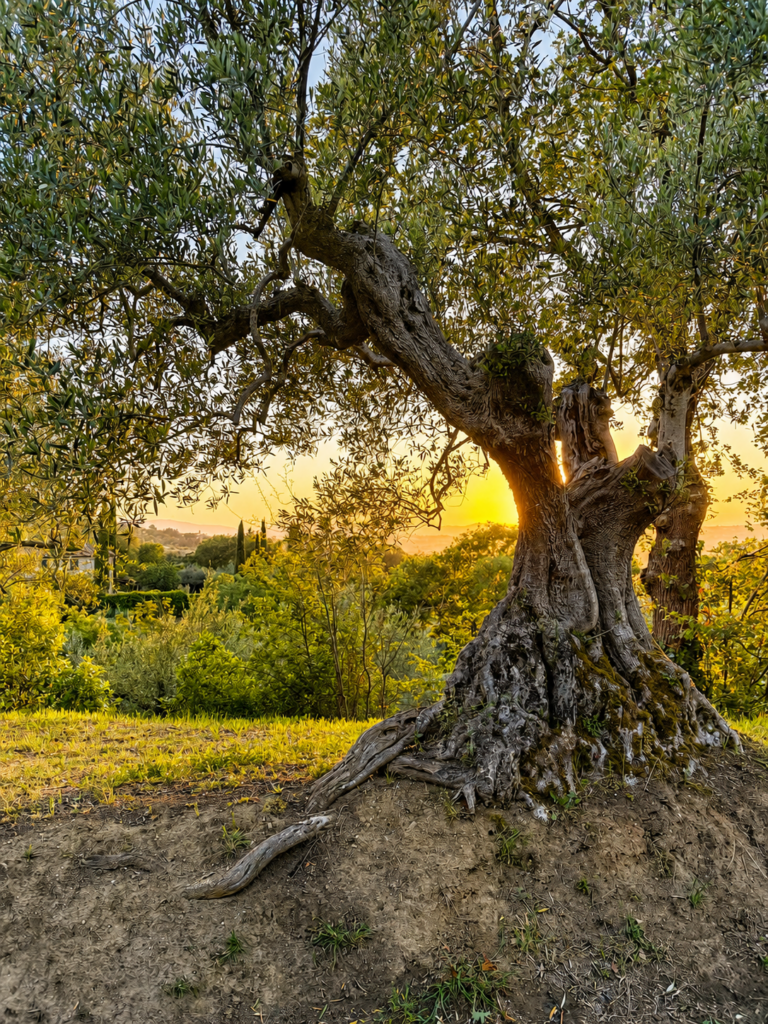
Preserving Landscapes Means Preserving Peace
Protecting a landscape means caring for a relationship.
A relationship between humanity and nature, between past and future, between memory and responsibility.
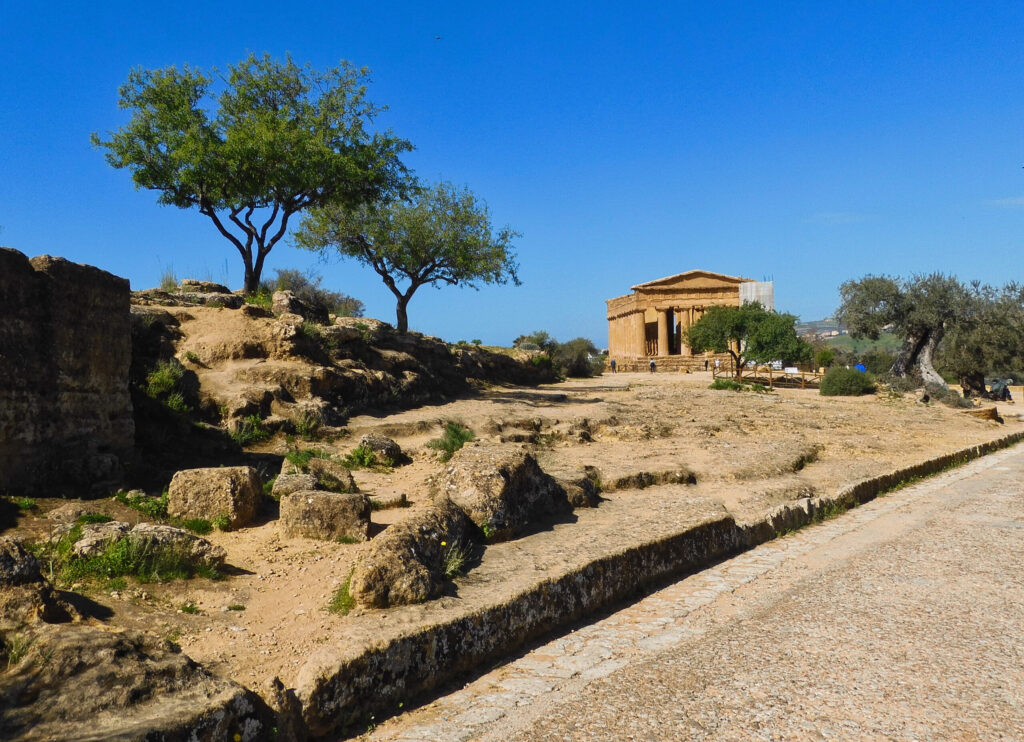
Olive landscapes are the result of a long history of cooperation. No single generation created them alone, and no generation can claim exclusive ownership of them. They belong to a continuity that extends across time.
For this reason, their preservation concerns not only agriculture or the environment. It also concerns the ability of communities to recognize themselves within a shared heritage and to pass it on to future generations.
This is the same principle that inspires The Garden of Peace: creating places where biodiversity, culture, and dialogue can meet, offering people opportunities for mutual understanding and peace.
To preserve a landscape is therefore to preserve a shared story. And every shared story represents a small step toward a more conscious and peaceful coexistence.
Looking Ahead
In the next edition of Roots of Peace, we will explore another dimension of the olive tree: its role in traditions and popular celebrations, where symbols, rituals, and customs continue to keep alive the connection between communities and this extraordinary tree.
Final Reflection
The roots of the olive tree grow deep in the earth, but the landscapes it has helped create continue to tell a story that belongs to us all.