04 Aug Olive Varieties: Biodiversity That Unites the World
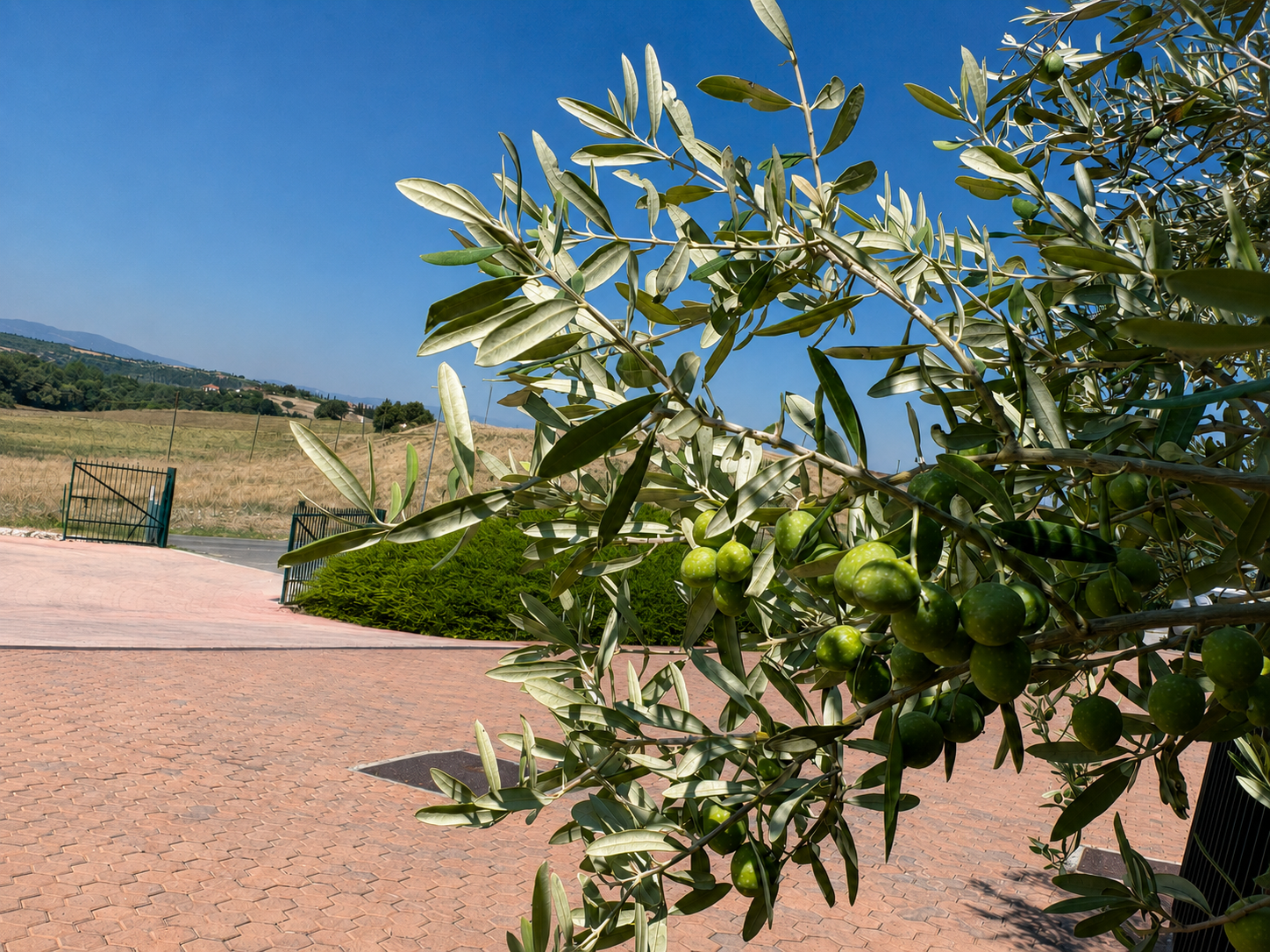
The olive tree is one of the oldest trees cultivated by humankind, yet few people realise that behind its familiar appearance lies an extraordinary biological richness. Today, more than two thousand olive varieties are known, selected over the centuries by farming communities throughout the Mediterranean basin and, more recently, on other continents. Each one tells a different story: a story of climate, soil, traditions and people.
For The Garden of Peace, this biodiversity represents far more than an agricultural heritage. It is tangible proof that diversity does not divide us, but makes us stronger. Just as different varieties can grow together in the same garden while preserving their own identity, peoples and cultures can also share the same space in a spirit of mutual respect.
Chétoui – Tunisia
Cobrançosa – Portugal
Every Variety Tells the Story of a Place
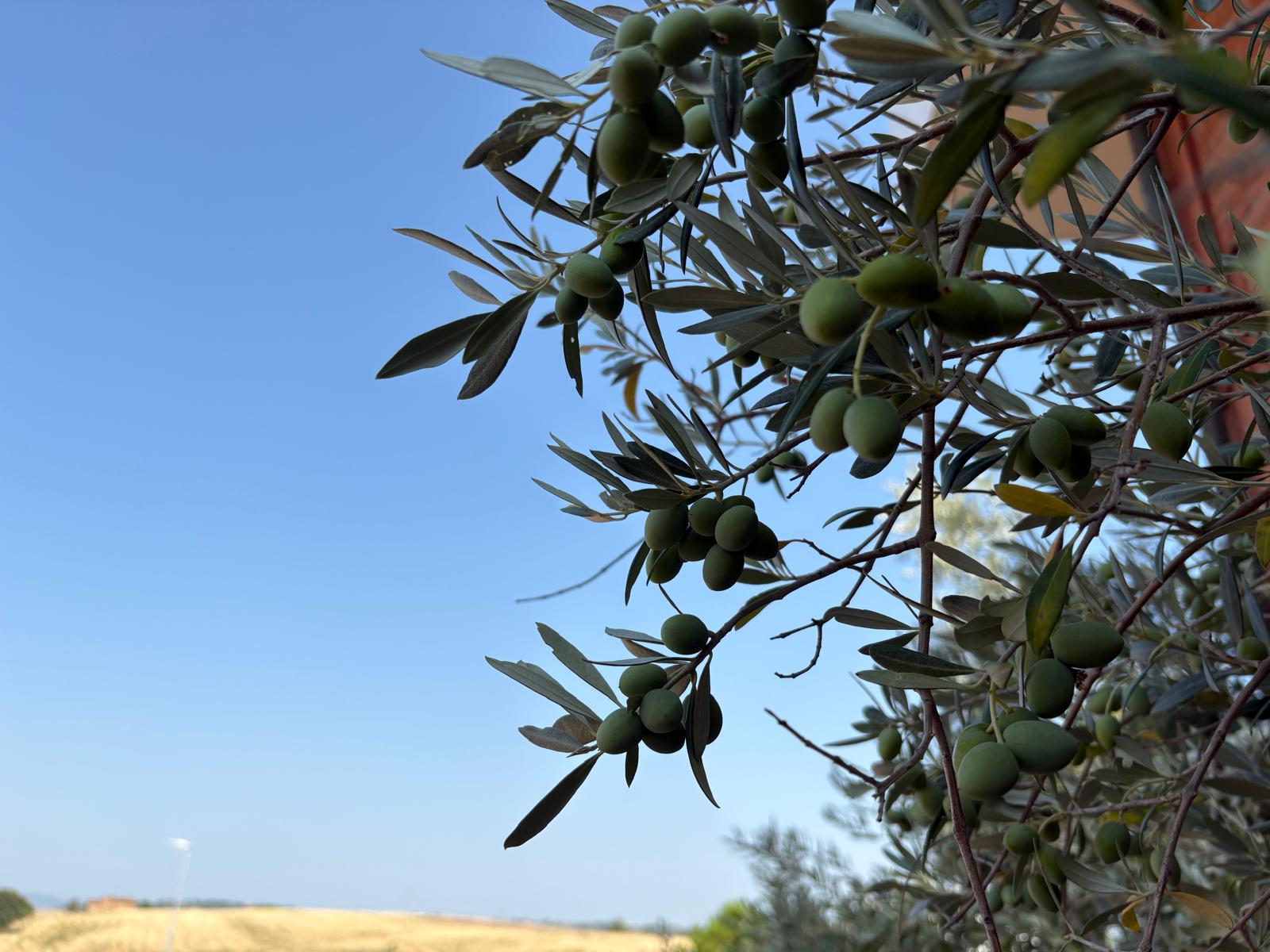
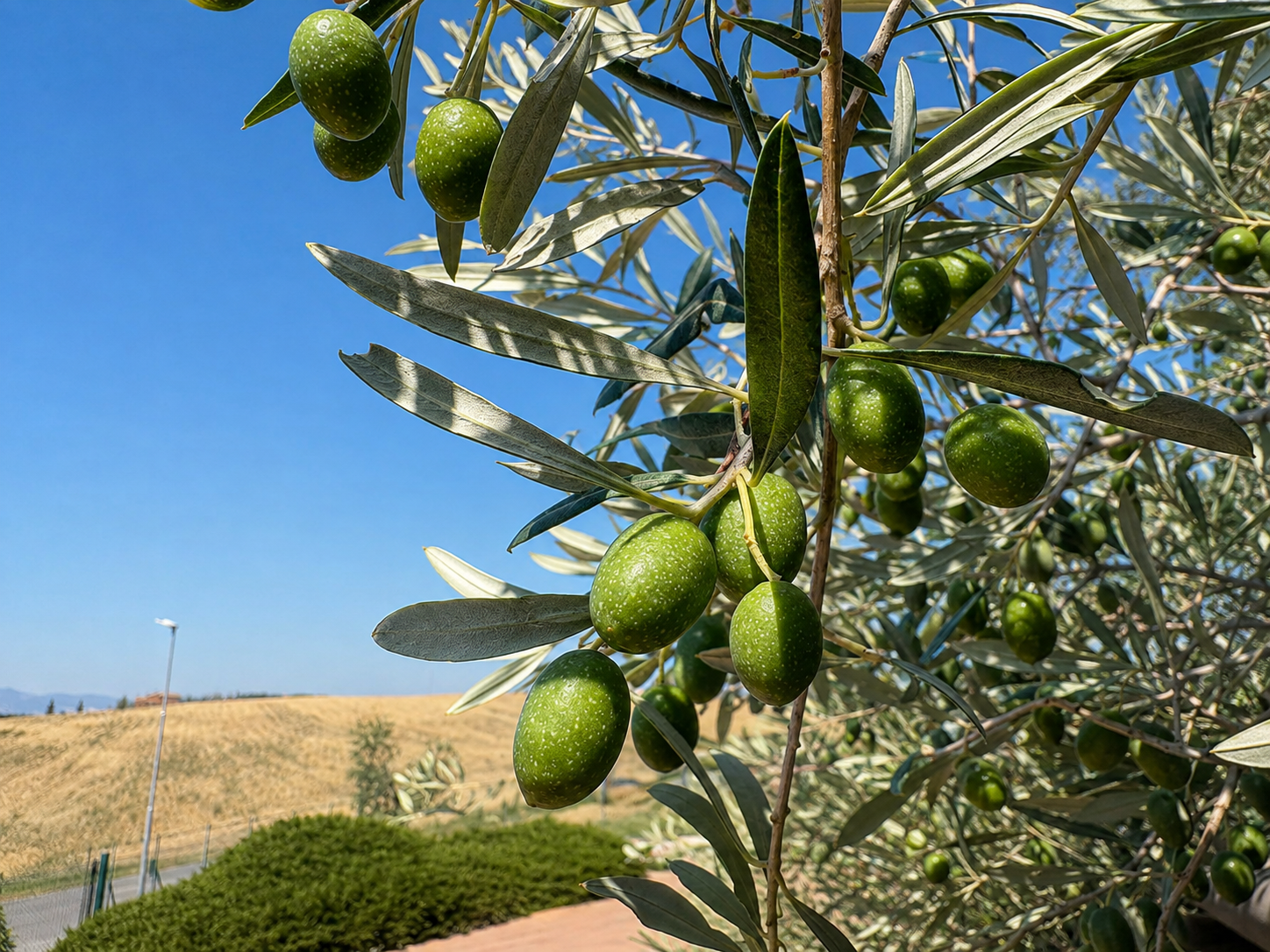
Olive varieties are the result of a long process of adaptation to local environmental conditions. Some thrive in coastal areas, while others can withstand harsher winters or prolonged drought. The shape of the canopy, leaves and olives varies from one variety to another, as do the aromas and flavours of the oils they produce.
Behind each variety lie centuries of observation, selection and knowledge passed down from one generation to the next. This heritage is a living record of Mediterranean agriculture and bears witness to the deep bond between rural communities and their land.
Local varieties are also a valuable resource for addressing the future challenges of agriculture. Their genetic characteristics may help make olive groves more resilient to climate change.
A Biological Heritage to Protect
Olive biodiversity is not only of scientific value; it is also a safeguard for the future. Preserving a broad genetic heritage increases the species’ ability to adapt to new diseases, changing climatic conditions and the needs of future generations.
For this reason, many international institutions, research centres and varietal collections work to protect and document the olive cultivars found around the world.
The Garden of Peace promotes this principle through its Gardens of Peace, where twenty-one varieties from twenty-one countries grow together in the same space. Each tree preserves its own identity while contributing to a harmonious whole that becomes a symbol of peaceful coexistence.
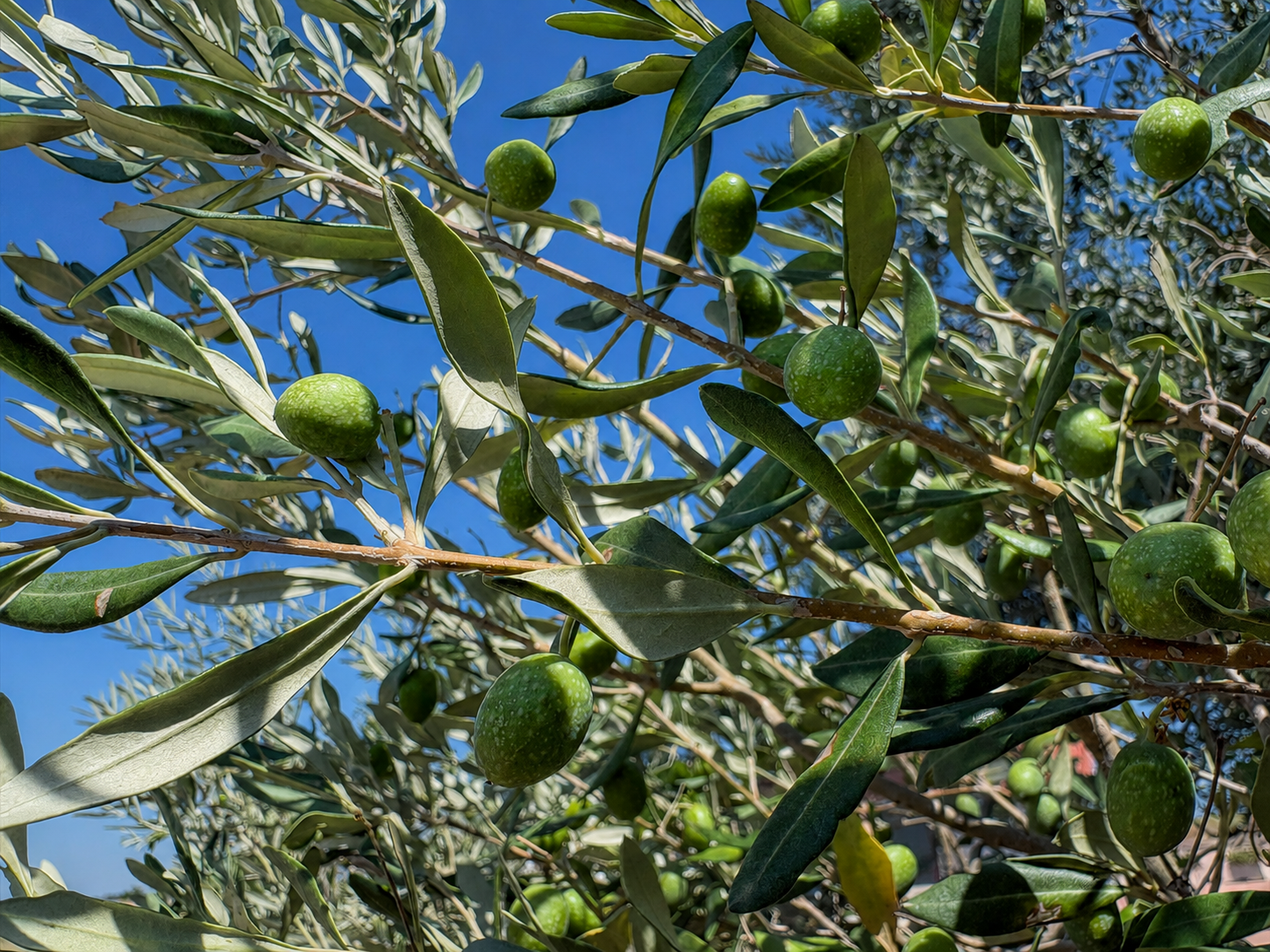
Zard – Iran
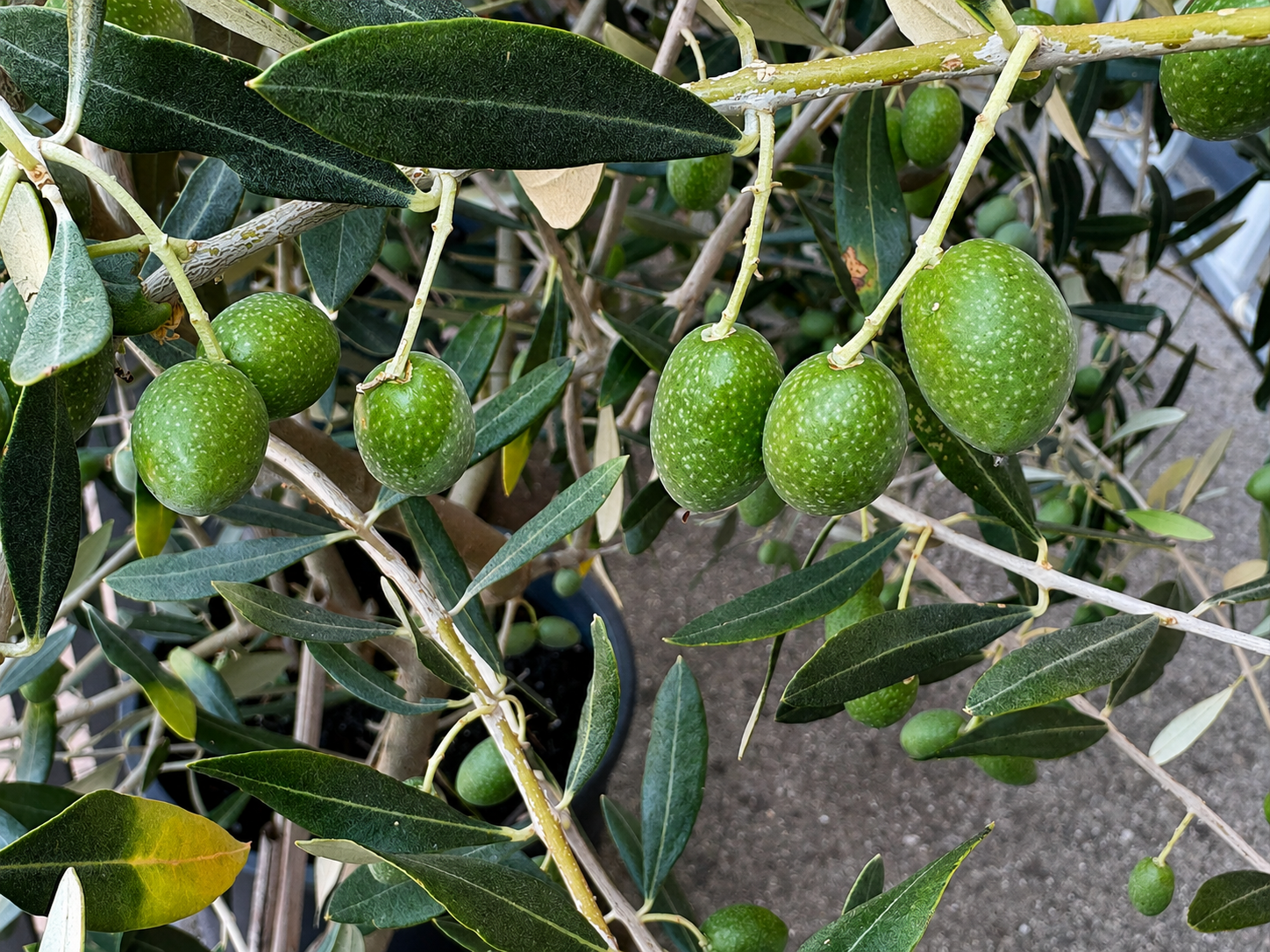
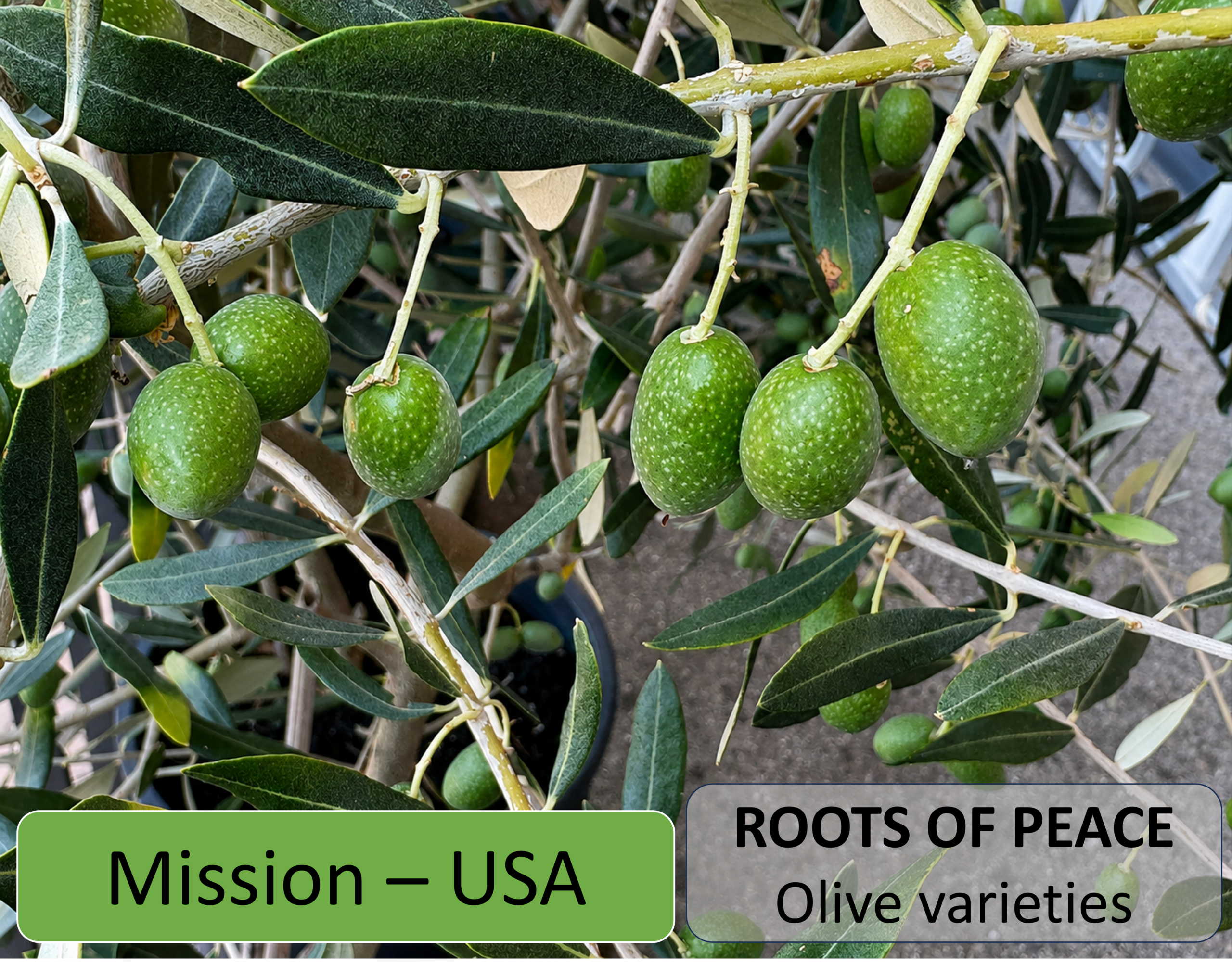
Mission – USA
Biodiversity as a Message of Peace
When we look at a Garden of Peace, we see different trees sharing the same soil, the same water, the same air and the same sunlight. No variety dominates the others. Each one preserves its own characteristics, and it is precisely this diversity that gives the garden its value.
It is an image that reflects the way nature itself works. The richest ecosystems are those that support a wide variety of life forms, capable of sustaining one another.
Human societies can also draw inspiration from this principle. Peace does not arise from uniformity, but from the ability to recognise and respect differences. Olive varieties remind us that diversity is a source of richness to be protected, not an obstacle to be overcome.
Conclusion
Every olive variety represents a heritage shaped by centuries of history, work and interaction between people and nature. Preserving this biodiversity means protecting not only an agricultural resource, but also a shared cultural memory.
In the Gardens of Peace, this richness becomes a universal message: different identities can grow together without losing what makes them unique. It is a lesson the olive tree has continued to offer us for thousands of years.
September Preview
In the next edition of Roots of Peace, we will explore the olive tree’s long journey across the Mediterranean and other continents, following the routes that enabled this extraordinary tree to spread among peoples, cultures and civilizations.
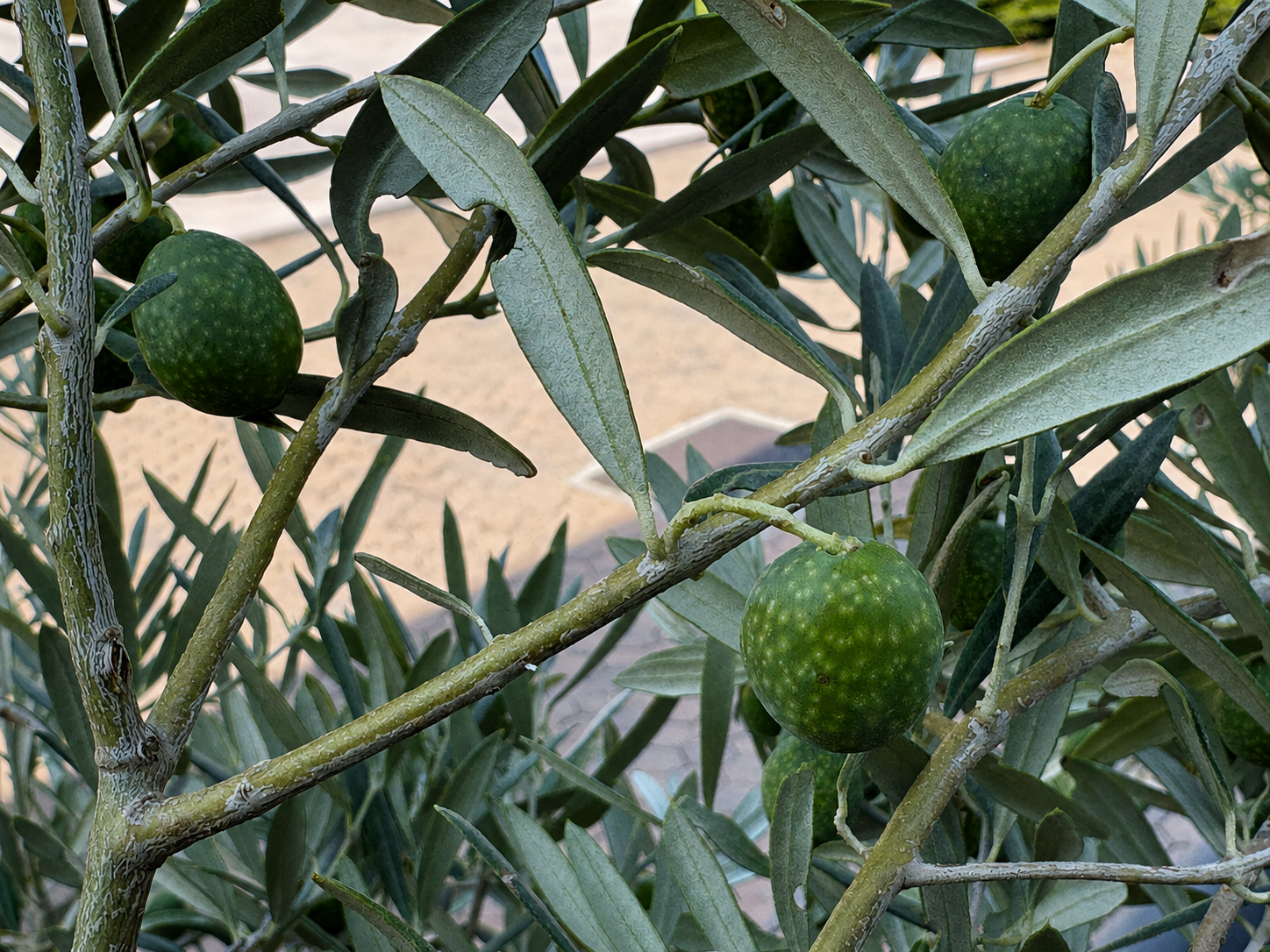
Verdale de l’Hérault – France