
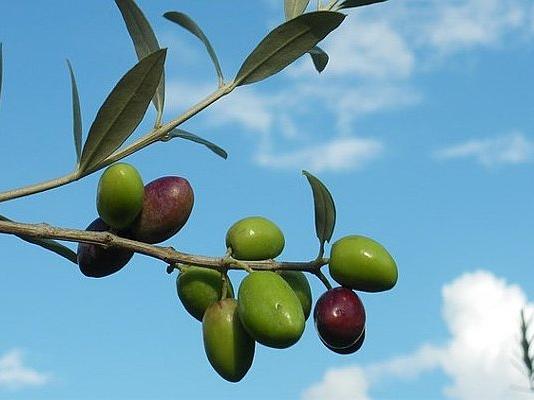
Varietal profile
Scientific and varietal section
Chetoui
A Tunisian variety with a strong Mediterranean identity
Chetoui is a Tunisian oil cultivar, mainly associated with the northern areas of the country. It represents one of the most recognisable expressions of Tunisian olive growing, in a context where the olive tree is an essential part of the agricultural landscape, rural culture and Mediterranean economy.
The variety is distinguished by its ability to adapt to different environments, with a strong relationship between territory, climate and the quality of the oil produced. Its agronomic and productive profile makes it a significant cultivar within the North African olive-growing heritage.
Among Tunisian varieties, Chetoui testifies to the value of local cultivars as genetic, productive and cultural resources, capable of connecting agricultural tradition with new perspectives for the qualitative enhancement of olive oil.
Identity and synonyms
Chetoui is a cultivar originating from Tunisia and belongs to the varietal heritage of North African olive growing. It is mainly used for olive oil production and represents one of the most important varieties in Tunisian olive-growing areas.
It is mainly known by the name Chetoui. In some local contexts, denominations or variants linked to cultivation areas may appear, but the most widespread and recognisable varietal name remains Chetoui.
Geographical distribution
The distribution of Chetoui is linked to Africa and in particular to Tunisia, where the variety is mainly present in northern areas and in zones characterised by Mediterranean conditions favourable to olive cultivation.
Its presence in the Tunisian territory contributes to the country’s varietal diversity and testifies to the role of the olive tree in North African agricultural landscapes, among plains, hills and inland areas.
Agronomic and commercial considerations
Chetoui is an oil cultivar appreciated for the quality of the product obtained and for its importance within Tunisia’s olive-growing heritage. Its agronomic behaviour is linked to the environmental conditions of the cultivation area, with productive responses influenced by climate, soil, water management and cultivation techniques.
The oil obtained from Chetoui can express sensory profiles marked by personality, intensity and good recognisability, elements that support its valorisation in quality productions.
From a commercial point of view, the variety contributes to the identity of Tunisian olive oil and to the diversification of the olive-growing offer of the southern Mediterranean. Correct management of harvesting and processing is decisive for preserving the qualitative potential of the cultivar.
Territorial presence and cultural value
Chetoui represents a significant part of Tunisian olive-growing identity. Its presence tells of the deep relationship between the olive tree and the agricultural communities of the southern Mediterranean, where cultivation is at once economy, landscape and memory.
Within the Gardens of Peace, Chetoui recalls the value of North African varieties as a bridge between territories, agricultural cultures and Mediterranean traditions, contributing to the global narrative of olive biodiversity.
The Garden of Peace
Cultural and symbolic section
Chetoui in The Garden of Peace project
Chetoui invites us to see the olive tree as a presence capable of linking the strength of North African landscapes with the agricultural memory of the Mediterranean, transforming a local variety into a sign of dialogue and continuity.
The olive tree as a shared language
Within The Garden of Peace project, Chetoui reminds us that the olive tree can become a common language between the shores of the Mediterranean. Its presence within the international collection testifies to the value of North African varieties as an essential part of the agricultural and cultural history of the olive tree.
Biodiversity and dialogue
In the Gardens of Peace, Chetoui represents biodiversity as a bridge between territories, agricultural cultures and Mediterranean communities. Each variety preserves a different experience of adaptation and contributes to building a shared narrative founded on knowledge and respect for differences.
Education and responsibility
The presence of Chetoui in The Garden of Peace project becomes an invitation to recognise the value of local cultivars and of the landscapes that generated them. Protecting biodiversity also means preserving agricultural identities, rural economies and future possibilities for Mediterranean communities.
The varietal collection of The Garden of Peace includes the 28 olive varieties represented in the Gardens of Peace around the world. Each Garden may host a specific selection of this collection.